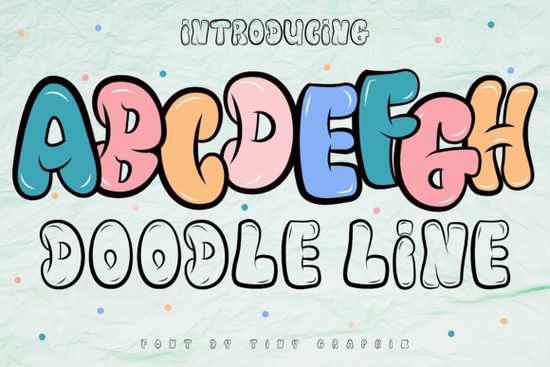
If you are looking for a typeface that brings a playful, hand-drawn energy to your projects, the Doodle Line Font is a fantastic choice. This display font combines bold, dynamic lines with an authentic street art vibe, making it stand out on any canvas. Whether you are designing a new logo, creating packaging for a small business, or putting together a fun cartoon project, this typeface gives your work a modern and cool look without feeling overly complicated.
What makes this graffiti style typeface stand out?
When you work with graffiti-inspired display fonts, you want something that grabs attention but remains readable. This specific typeface achieves that balance by using thick, continuous lines that mimic quick marker sketches. It feels spontaneous and energetic. For print-on-demand sellers, this means your t-shirt graphics or mug designs will catch the eye of shoppers scrolling through online marketplaces. The raw, hand-lettered feel adds a layer of authenticity that polished, traditional serums just cannot match. It brings a sense of movement to static images, making your designs feel alive and approachable.
Where should you use a bold display font like this?
Because of its highly stylized nature, this typeface works best for short phrases, titles, and logos rather than long paragraphs of body text. Here are a few practical ways to use it in your creative business:
- Logo design: Perfect for skate brands, streetwear labels, or playful local businesses wanting an edgy identity.
- Game assets: Ideal for mobile game titles, level screens, or cartoon-style user interface elements.
- Merchandise: Looks great on stickers, tote bags, and apparel where a fun, urban vibe is needed.
- Social media graphics: Use it for bold quote cards or promotional banners that need to pop on small mobile screens.
How does it pair with other typefaces?
A common mistake designers make is pairing two highly decorative fonts together, which creates visual clutter. Since the Doodle Line Font is so expressive, you need to pair it with something simple and clean. A basic sans-serif or a highly readable geometric font will let the graffiti style take center stage. Pay attention to your letter spacing as well; giving the headers a little extra breathing room helps maintain that airy, hand-drawn feel. If you are working on a project that requires a mix of playful and structured elements, you might also explore options like a playful typeface for children's projects for a softer, more rounded approach, or stick to clean sans-serifs for your body copy.
What if you need a different vibe for your project?
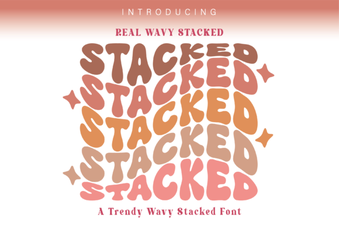
Sometimes a project calls for a slightly different mood, and it is always smart to have a few alternatives in mind. If the street art aesthetic is too edgy for your current client, you might want to look into a nostalgic retro style, which offers a softer, vintage feel. On the other hand, if you are designing for a school event or a sports team, classic collegiate lettering will give you that traditional look. For projects that need a bit of movement and energy without the graffiti edge, a wavy stacked alternative can add a fun, dynamic twist. And if you are working on something with a slightly rougher texture, a rougher textured display option is another great choice to keep in your library.
How can you ensure your final design is ready to publish?
Before you finalize your next design and send it to a client or upload it to a shop, run through this quick checklist to ensure your typography choices are working effectively:
- Check readability at a distance: Zoom out to 50% on your screen or print a test copy to see if the main message is still clear.
- Test color contrast: Make sure the font color stands out sharply against your background, especially if placing it over a busy photo.
- Limit your font count: Stick to two typefaces maximum one expressive font for headers and one simple font for body text.
- Verify commercial licensing: Always double-check the license terms on the product page before uploading your final design to a print-on-demand platform or using it in a client logo.
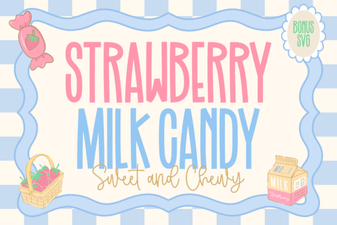 The Strawberry Milk Candy Font Design Guide
 Modern Font Designs for Web Projects
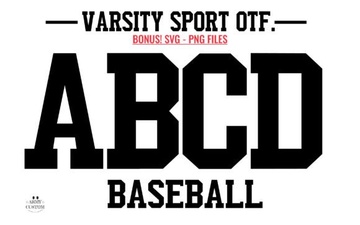 Design a Sport Jersey Using Varsity Font Army Style
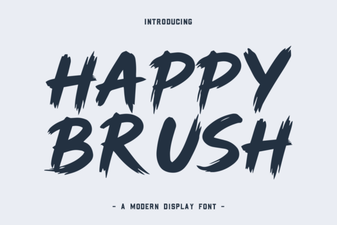 Happy Brush Font: Friendly Design & Creative Applications
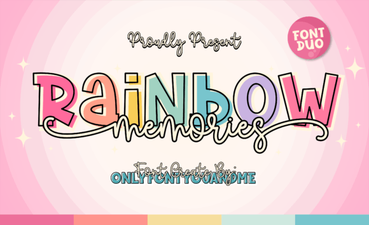 Rainbow Memories Font: a Creative Typography Guide
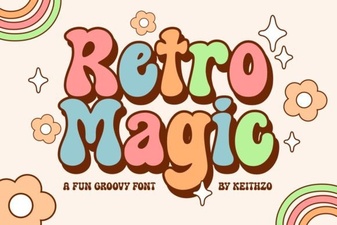 Retro Magic Font for Modern Design Projects