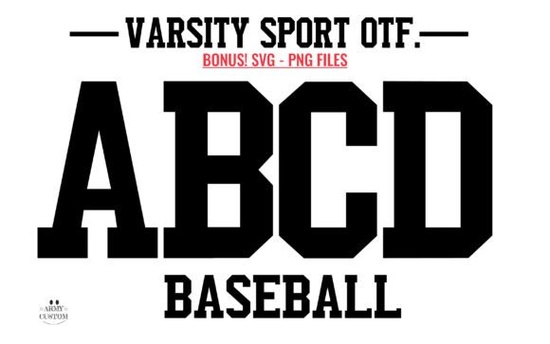
If you are looking to capture the classic look of collegiate athletics and university spirit, the Varsity Sport Army Font is a highly practical choice for your next project. This typeface brings the nostalgic feel of vintage letterman jackets and stadium scoreboards directly to your workspace. Whether you are designing merchandise for a local high school team or creating spirited apparel for a college fan group, having the right athletic lettering makes a huge difference in how your final product is received.
What makes this typeface stand out for sports projects?
When designing for athletics, readability from a distance is just as important as the overall aesthetic. This specific university-style lettering balances bold, blocky structures with clean edges, ensuring that names and numbers remain legible even when scaled down for a small logo or scaled up for a large banner. It captures the vibrant energy of school leagues without looking overly cluttered. If you are building a broader merchandise line and want to explore similar heavy-hitting styles, you can find more options when browsing the main display fonts collection on the platform.
How can print-on-demand sellers use this style effectively?
For crafters and POD sellers, sports-themed apparel is a massive niche, especially during football season, homecoming, and graduation. This athletic typography works exceptionally well on a variety of blank products. Here are a few ways to apply it to your store:
- Apparel: Print large, arched text across the chest of heavyweight hoodies or crewneck sweatshirts.
- Accessories: Use it for bold, centered designs on canvas tote bags and baseball caps.
- Drinkware: Wrap the text around the curve of a ceramic mug for a classic stadium cup look.
While this heavy style is perfect for main titles, you might want to mix it with other textures for different product lines. For a more playful contrast on kids' sports gear or youth league shirts, you could pair it with a softer style like the sweet candy display typeface. On the other hand, if you need something with a bit more grit for a tough rugby or football design, check out the gritty strong display option to add some raw texture to your layouts.
What are the best practices for pairing it with other typography?
Because varsity lettering is naturally thick and commanding, pairing it requires a bit of contrast to keep the design balanced. You want your secondary fonts to be light enough not to compete with the main title. For example, adding a handwritten touch to the back of a jersey design or as a subtitle works beautifully when paired with the casual brush lettering. This creates a nice mix of structured academia and relaxed creativity.
Alternatively, if you are going for a nostalgic 80s or 90s campus vibe, the nostalgic retro display style makes a great secondary font for subtitles or smaller details. The key is to keep the hierarchy clear: let the main athletic letters do the heavy lifting while the supporting text provides context.
How do you prepare these files for physical printing?
Before sending your designs to a printer or uploading them to a POD platform, proper file preparation is essential to avoid blurry edges or misaligned text. Small businesses and hobbyists often skip this step, which can lead to costly reprints.
- Convert to outlines: Always turn your text into vector shapes or rasterize at a high resolution (at least 300 DPI) to prevent the printer from substituting the font.
- Check the kerning: Manually adjust the spacing between letters, especially when arching text around a design or fitting a long team name into a specific space.
- Use the right colors: Stick to high-contrast color combinations, like white letters with a dark outline on a navy shirt, to ensure the design pops in real life.
Final Design Checklist
Before you publish your next sports-themed product, run through this quick checklist to ensure everything is ready for production:
- Verify that the main text is easily readable from a few feet away.
- Confirm that your secondary fonts provide enough visual contrast.
- Ensure all text layers are flattened or converted to outlines.
- Double-check that your canvas size matches the physical print dimensions.
Take a few extra minutes to review your spacing and color choices. A well-prepared file not only saves you time but also ensures your customers receive a high-quality product that truly captures that game-day excitement.
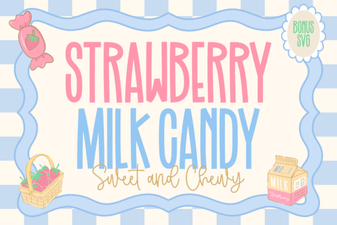 The Strawberry Milk Candy Font Design Guide
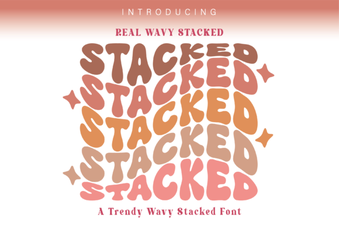 Modern Font Designs for Web Projects
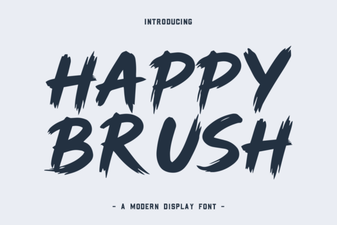 Happy Brush Font: Friendly Design & Creative Applications
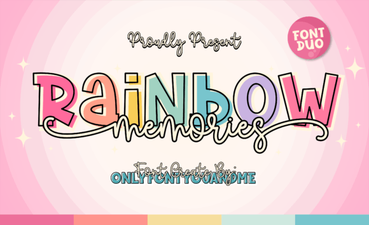 Rainbow Memories Font: a Creative Typography Guide
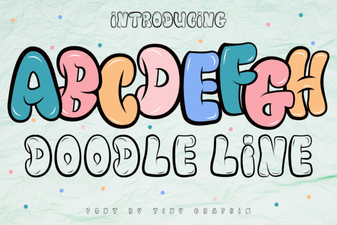 Doodle Line Fonts: Free to Download & Use
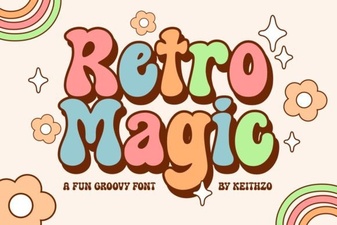 Retro Magic Font for Modern Design Projects